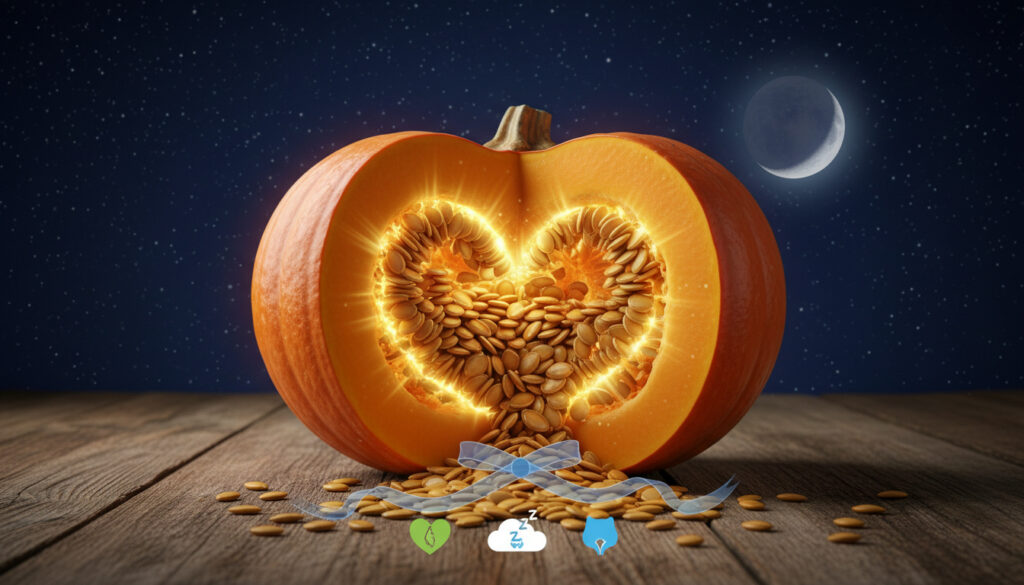
Benefits of Pumpkin Seeds – Heart, Prostate and Sleep Aid
Pumpkin seeds deliver concentrated nutrition in a compact form. These flat, oval seeds—also known as pepitas—provide substantial quantities of magnesium, zinc, and antioxidants that support cardiovascular function, immune response, and metabolic health.
Research consistently identifies pumpkin seeds as nutrient-dense foods capable of addressing common dietary deficiencies. A single one-ounce serving contains nearly 40 percent of the daily recommended magnesium intake, a mineral essential for over 600 biochemical reactions in the human body according to clinical sources.
Regular consumption correlates with measurable physiological outcomes, including reduced post-meal blood sugar spikes and improved vascular flexibility. Unlike processed snacks, pumpkin seeds offer complete protein containing all essential amino acids comparable to soy protein according to Cleveland Clinic nutrition analysis.
What Are the Top Health Benefits of Pumpkin Seeds?
Heart Health
Rich in magnesium and antioxidants that support vascular function
Prostate Support
Zinc content essential for male fertility and immune function
Better Sleep
Magnesium assists muscle relaxation and neurological calming
Antioxidant Boost
Flavonoids and phenolic acids reduce cellular inflammation
- One serving provides 151.67mg of magnesium, approximately 36-40% of daily recommended intake based on University of Rochester Medical Center data.
- High zinc content (2.11mg per ounce) supports normal fertility, cognitive function, and immune health.
- Antioxidants increase nitric oxide levels, promoting vascular flexibility and healthy circulation according to WebMD.
- Consumption of 65g pumpkin seeds reduced blood sugar spikes following high-carbohydrate meals in clinical observation.
- Large observational studies link high magnesium intake to 15% lower type 2 diabetes risk over 28-year periods.
- Contain all essential amino acids, providing high-quality complete protein comparable to soy.
- Unshelled varieties deliver approximately 12 grams of fiber per cup compared to 1.11g in hulled seeds.
| Nutrient | Amount (28g serving) | Primary Benefit |
|---|---|---|
| Magnesium | 151.67mg (36-40% DV) | Heart & muscle function |
| Zinc | 2.11mg (19% DV) | Immune & prostate health |
| Protein | 6.96g | Muscle maintenance |
| Iron | 4.24mg | Oxygen transport |
| Phosphorus | 332.83mg | Bone health |
| Potassium | 228.78mg | Fluid balance |
| Fiber (hulled) | 1.11g | Digestive health |
| Vitamin K | 14.57mcg | Blood clotting |
| Omega-6 fats | 2.5g | Cellular function |
| Omega-3 fats | 22mg | Anti-inflammatory |
Nutritional Value of Pumpkin Seeds
A standard one-ounce serving of hulled pumpkin seeds contains approximately 153 calories, derived primarily from healthy fats and protein. The fat content totals 13 grams, predominantly polyunsaturated and monounsaturated varieties that contribute to cardiovascular health.
Carbohydrate content remains modest at 5.05g per serving, with mineral density forming the primary nutritional advantage. Beyond magnesium and zinc, the seeds provide significant manganese, copper, selenium, and folate. They also deliver small amounts of vitamin E and carotenoids according to nutritional databases.
Preparation methods alter nutritional profiles. Shelled seeds concentrate fats and minerals per ounce, while unshelled seeds retain substantially more fiber. Roasted unshelled seeds contain approximately 160 calories and 156mg magnesium per ounce, though heat exposure may affect certain heat-sensitive nutrients according to dietetic analysis.
Dietary integration requires minimal effort. A small handful provides substantial quantities of healthy fats, magnesium, and zinc, effectively addressing magnesium deficiencies common in Western diets. Oatmeal Raisin Cookies Recipe offers an alternative homemade approach to nutrient-dense snacking.
Pumpkin Seeds Benefits for Men and Prostate Health
Zinc concentration makes pumpkin seeds particularly relevant for male reproductive health. The 2.11mg zinc content per serving supports normal fertility and cognitive function, with clinical observation linking zinc adequacy to improved sperm quality.
Nutritional research identifies these minerals as critical for prostate maintenance and hormonal regulation. While specific mechanisms require further study, the correlation between zinc intake and prostate health appears consistently across demographic research.
Zinc and selenium content in pumpkin seeds supports healthy immune cell proliferation. Regular consumption may bolster immune response during periods of physiological stress.
Pumpkin Seeds for Heart Health, Sleep, and Hair Growth
Cardiovascular Protection
Harvard Health Publishing identifies pumpkin seeds among the best natural magnesium sources available. This mineral regulates blood pressure and reduces heart disease risk through multiple pathways.
Polyunsaturated fats within the seeds help lower LDL cholesterol levels, potentially preventing arterial plaque accumulation. Antioxidant compounds simultaneously increase nitric oxide bioavailability, maintaining vascular smoothness and reducing circulation problems.
Sleep Quality Enhancement
Magnesium’s neuromuscular effects support sleep architecture. Clinical observation indicates measurable improvements in sleep quality among regular consumers, attributed to magnesium’s role in brain calming and muscle relaxation. If you’re interested in learning more about the benefits of pumpkin seeds, you can Converteix M4A a MP3.
Antioxidants in pumpkin seeds elevate nitric oxide levels, a molecule essential for maintaining flexible blood vessels and preventing endothelial dysfunction.
Uncertain Claims: Hair and Hormones
Current literature does not establish specific mechanisms for testosterone enhancement or hair growth stimulation. While popular claims suggest these benefits, available research materials contain no detailed studies confirming hormonal or trichological effects.
Specific research findings regarding testosterone effects, hair growth benefits, optimal daily dosage recommendations, and pumpkin seed oil applications are not included in available materials. Additional sources would be required to verify these particular outcomes.
Research Timeline: Evolution of Scientific Understanding
- : Initial biochemical identification of antioxidant compounds including flavonoids, phenolic acids, and carotenoids in pumpkin seed extracts.
- : Large-scale epidemiological studies establish inverse correlations between dietary magnesium intake and cardiovascular mortality rates.
- : Clinical research focuses on prostate health applications and zinc’s role in male fertility parameters, including sperm quality markers.
- : Current investigation examines postprandial blood sugar regulation and sleep quality improvements associated with magnesium-rich foods.
What Science Confirms vs. What Remains Uncertain
| Established Evidence | Emerging or Unclear |
|---|---|
| Heart health benefits from magnesium and polyunsaturated fats | Testosterone enhancement in human subjects |
| Nutrient density and complete amino acid profiles | Hair growth stimulation mechanisms |
| Prostate support via zinc content (19% DV per serving) | Optimal daily dosage thresholds |
| Blood sugar reduction following meals containing 65g seeds | Long-term side effect profiles |
| Sleep quality improvement through magnesium | Pumpkin seed oil specific benefits |
The Biological Context of Pumpkin Seed Benefits
Pumpkin seeds function as bioavailable mineral reservoirs. Magnesium content facilitates ATP synthesis, neuromuscular transmission, and vascular tone regulation. Zinc concentrations support T-cell development and DNA synthesis critical for immune competence.
Antioxidant compounds including vitamin E and carotenoids scavenge free radicals, reducing oxidative stress markers linked to chronic disease etiology. The polyunsaturated fatty acid profile maintains cellular membrane fluidity while contributing to lipid management. Recette Pate a Pizza provides complementary Mediterranean dietary context for cardiovascular health.
Medical Sources and Research Citations
This analysis synthesizes data from the University of Rochester Medical Center nutrient database, Harvard Health Publishing cardiovascular research, WebMD dietary analysis, and Cleveland Clinic clinical nutrition guidelines. The European health retailer Holland & Barrett contributed immunological research context regarding zinc and selenium.
Primary research references include peer-reviewed nutritional epidemiology and clinical observation studies.
Summary: Should You Eat Pumpkin Seeds Daily?
Pumpkin seeds offer substantiated cardiovascular, metabolic, and immune benefits supported by clinical observation and nutritional epidemiology. Their exceptional magnesium content—providing 36-40% of daily requirements in one ounce—addresses widespread dietary insufficiencies. While research continues regarding hormonal and cosmetic applications, current evidence supports regular consumption of approximately one ounce daily as part of a balanced dietary pattern. Oatmeal Raisin Cookies Recipe.
Frequently Asked Questions
Do pumpkin seeds increase testosterone?
No direct evidence confirms testosterone enhancement in humans. Available research does not establish this mechanism or provide clinical data supporting hormonal effects.
Can pumpkin seeds prevent hair loss?
Research regarding hair growth benefits remains preliminary. Current literature contains no detailed studies confirming trichological outcomes or growth stimulation mechanisms.
What are the side effects of eating too many pumpkin seeds?
Specific side effects and toxicity thresholds are not detailed in available research. Standard dietary consumption of one to two ounces daily appears safe for general populations.
Are roasted pumpkin seeds as healthy as raw?
Both forms provide impressive nutrient profiles. Roasting may affect heat-sensitive vitamins, though specific degradation rates remain unquantified in source materials.
How much magnesium is in one serving?
One ounce (28g) of hulled seeds contains 151.67mg of magnesium, approximately 36-40% of the recommended daily intake for adults.
Do pumpkin seeds help with sleep?
Yes. Magnesium content supports muscle relaxation and neurological calming, with research showing measurable improvements in sleep quality among regular consumers.
More related posts
 MLB Suspends Matt Chapman: Suspension and Appeal Explained
 English Royal Family Guide: Current Monarchy & Titles
 Climb Mt Robson: Difficulty, Cost, and Visibility Guide
 Kim Yo-jong: Power, Family and Role in North Korea
 Pacific Sleeper Sharks Emerge in South China Sea Depths
 Kelsea Ballerini: Career, Relationships, and Legal News
 1 Cup in Grams: Flour, Sugar & Butter Conversion Guide
 OINP International Student Stream: Eligibility, Scores & Guide
