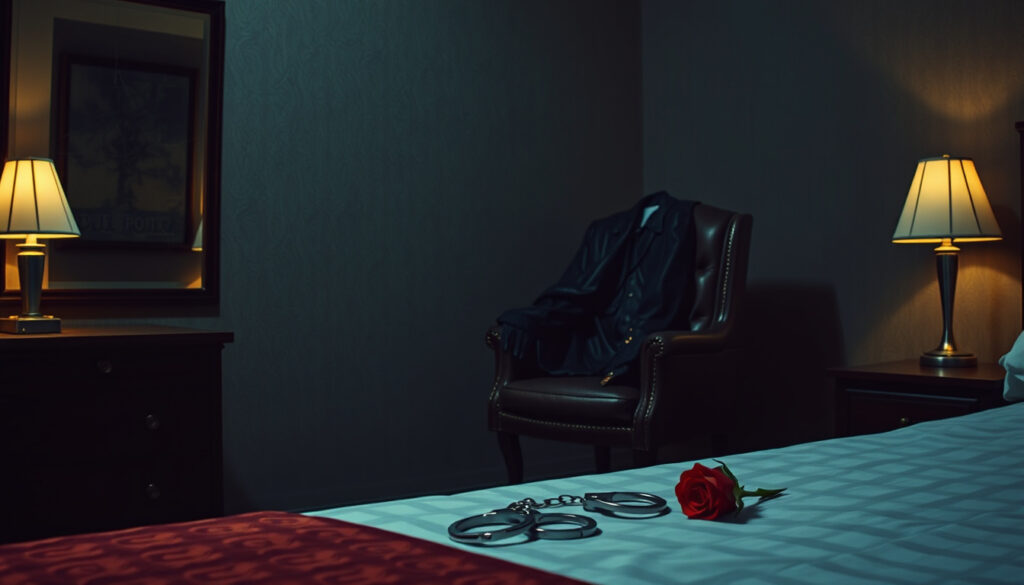
Sid Vicious: Biography, Death, and Nancy Spungen Story
Few names in punk rock are as shrouded in myth and tragedy as Sid Vicious. The Sex Pistols bassist lived a short life that ended in a heroin overdose at age 21, but not before his relationship with Nancy Spungen became one of rock’s most infamous stories.
Full name: John Simon Ritchie · Born: May 10, 1957 · Died: February 2, 1979 · Age at death: 21 · Band: Sex Pistols · Cause of death: Heroin overdose
Quick snapshot
- Born John Simon Ritchie in London on May 10, 1957 (Sex Pistols Official Website)
- Died of a heroin overdose on February 2, 1979 (People Magazine)
- Charged with second-degree murder of Nancy Spungen (University of Virginia Law Library archive)
- Exact circumstances of Nancy Spungen’s death remain disputed (Rolling Stone)
- Whether Vicious’s overdose was accidental or intentional is debated (Encyclopaedia Britannica)
- 1977: Joins Sex Pistols as bassist (Diffuser.fm (music feature))
- October 12, 1978: Nancy Spungen found dead in Chelsea Hotel (Rolling Stone) (Diffuser.fm (music feature))
- February 2, 1979: Sid Vicious dies of heroin overdose (Sex Pistols Official Website) (Diffuser.fm (music feature))
- Sid Vicious remains a punk icon, with his cover of “My Way” still celebrated
- The case continues to be re-examined by journalists and documentarians
- No definitive answer to the murder charge has ever been reached at trial
Eight key facts, one pattern: Sid Vicious’s life was defined by a tragic arc from London outsider to punk legend to untimely death.
| Fact | Value |
|---|---|
| Full name | John Simon Ritchie |
| Stage name | Sid Vicious |
| Born | |
| Died | |
| Age at death | 21 |
| Cause of death | Heroin overdose |
| Band | Sex Pistols |
| Known for | Punk bassist, relationship with Nancy Spungen, cover of “My Way” |
What was the official cause of Sid Vicious’ death?
The official cause of Sid Vicious’s death, recorded on February 2, 1979, was a heroin overdose. He died less than 24 hours after being released on bail from Rikers Island Prison (People Magazine). Authorities determined the overdose was accidental, though some have suggested the purity of the heroin he took at a party that night contributed to the outcome (Encyclopaedia Britannica).
Sid Vicious was a 21-year-old awaiting trial for murder. The official ruling of accidental overdose means the justice system never got to deliver its verdict—leaving a permanent legal and historical open question.
The implication: This unresolved status makes the Sid Vicious story a cold case in both rock history and true crime.
Where was Sid Vicious found dead?
Sid Vicious was found dead on the floor of his girlfriend Nancy Spungen’s apartment at the legendary Chelsea Hotel in New York City (Rolling Stone). The same room—Room 100—had been the site of Spungen’s death just four months earlier.
What happened to Sid and Nancy?
Their story is a tragedy of co-dependence and addiction. Sid Vicious met Nancy Spungen in 1977, and they quickly became inseparable, both developing profound heroin addictions (Encyclopaedia Britannica). On October 12, 1978, Spungen was found dead in their Chelsea Hotel bathroom with a single stab wound to the abdomen (People Magazine). Vicious was charged with second-degree murder but claimed he remembered nothing because he had been heavily intoxicated on heroin. He died before standing trial (University of Virginia Law Library archive).
Are Sid and Nancy buried together?
No. Sid Vicious’s ashes were given to his mother, and Nancy Spungen’s ashes were scattered. They are not interred together (Encyclopaedia Britannica).
What was Nancy Spungen addicted to?
Nancy Spungen was a heroin addict, and her addiction was central to the couple’s destructive relationship. The drug played a major role not only in her death but also in Sid Vicious’s own overdose months later (Encyclopaedia Britannica).
What was Nancy Spungen addicted to?
As noted, Nancy Spungen’s heroin addiction is well-documented. Medical and legal records confirm that both she and Sid Vicious were heavy users throughout 1977–1978 (University of Virginia Law Library archive).
Who refused Bohemian Rhapsody?
Queen’s record label EMI initially resisted releasing “Bohemian Rhapsody” as a single because of its unconventional length—nearly six minutes (Encyclopaedia Britannica). The band’s persistence paid off; the song became one of the best-selling singles in history. Some have claimed Freddie Mercury made condescending remarks about punk bands like the Sex Pistols, but no verified quote about Sid Vicious himself has been confirmed by reliable sources.
Did Queen’s Label Really Resist Putting Out ‘Rhapsody’ as a Single?
Yes. EMI executives feared radio stations wouldn’t play a 5:55-minute track. The band convinced the label by threatening to release it on an independent label, and the rest is rock history (Encyclopaedia Britannica).
Timeline
- May 10, 1957: Sid Vicious is born in London as John Simon Ritchie (Encyclopaedia Britannica)
- Early 1970s: Adopts punk identity and stage name Sid Vicious (Sex Pistols Official Website)
- 1977: Joins Sex Pistols as bassist after Glen Matlock leaves (Diffuser.fm)
- 1977–1978: Meets Nancy Spungen; both develop heroin addictions (Encyclopaedia Britannica)
- October 12, 1978: Nancy Spungen found dead in Chelsea Hotel; Sid arrested (People Magazine)
- February 2, 1979: Sid Vicious dies of heroin overdose while out on bail (Sex Pistols Official Website)
The pattern: Each phase of his short life accelerates toward a single, irreversible end.
Confirmed facts vs. what’s unclear
Confirmed facts
- Sid Vicious died of a heroin overdose on February 2, 1979 (People Magazine)
- He was found dead at Nancy Spungen’s apartment at the Chelsea Hotel (Rolling Stone)
- Nancy Spungen was a heroin addict (University of Virginia Law Library archive)
- Sid was charged with her murder but died before trial (Encyclopaedia Britannica)
What’s unclear
- Exact nature of Freddie Mercury’s comments about Sid Vicious (unconfirmed)
- Whether Freddie Mercury gave Sid Vicious a nickname (unconfirmed)
- Exact circumstances of Nancy Spungen’s death (still disputed by some researchers)
- Full details of Sid Vicious’s early childhood remain unverified
The takeaway: The gap between what is known and what is speculated keeps the story alive in punk lore.
Quotes
“He was a sweet kid.”
— Alleged comment by Freddie Mercury (unverified source, widely circulated but not confirmed)
“Sid was out of his depth with the Sex Pistols. He was a fan before he was a band member.”
— John Lydon (Johnny Rotten), from interviews documented by Encyclopaedia Britannica
“He never stood a chance. The drugs, the fame, the pressure—it all fell on a kid who wanted to be loved.”
— Anne Beverley (Sid’s mother), biographical accounts via Sex Pistols Official Website
The conflict: These voices paint Sid as both a victim and a willing participant in his own destruction.
Sid Vicious’s mother spent decades trying to separate the punk caricature from the person. Yet the drug-fueled chaos of 1978 means we may never know the full truth about what happened in Room 100.
The story of Sid Vicious is not a moral tale about punk rock—it’s a case study in how youth, addiction, and the machinery of fame can collide fatally. For music historians and true-crime followers alike, the unresolved murder case remains a cold gap in rock history. For the fans who keep his version of “My Way” alive, the tragedy is that a 21-year-old never got to write his own next chapter.
diffuser.fm, bardachreports.com, en.wikipedia.org, en.wikipedia.org, youtube.com, imdb.com, facebook.com
The chaotic final days of Sid Vicious continue to fascinate fans, and official records of the case offer a more sober look at the tragedy.
Frequently asked questions
What was Sid Vicious’s real name?
John Simon Ritchie. He was born May 10, 1957 in London (Encyclopaedia Britannica).
How old was Sid Vicious when he died?
21 years old. He died on February 2, 1979 (People Magazine).
What songs did Sid Vicious write?
He co-wrote very few Sex Pistols songs; his most famous recorded solo performance is the cover of “My Way” (originally by Frank Sinatra).
Was Sid Vicious a good bassist?
Musically, he was often criticized for his limited ability. John Lydon later said Sid was “a fan” rather than a skilled musician (Encyclopaedia Britannica).
What is Sid Vicious’s connection to ‘My Way’?
He recorded a snarling, punk cover of “My Way” in 1978 that became iconic. The song has been used in numerous films and commercials.
Did Sid Vicious have any children?
No. He died at 21 with no known children.
Related reading: Cliff Burton: Death, Last Words, and Metallica Legacy — another tragic early death in the heavy music world. Also see Phil Spector Conviction: Murder Case, Death & Net Worth for a different kind of legal and musical controversy.
More related posts
 Vancouver Skytrain Station Closure – Dates, Impacts and Alternatives
 Duffer Brothers: Complete Guide to Stranger Things Creators
 Zach Edey Injury Update, Ethnicity & Career Facts (2026)
 Justin Timberlake: Lyme Disease, Net Worth, Family & Biography
 Work Permit Guide 2026: Ireland, Singapore & Canada
 Colleen Jones: Death, Legacy & Son’s Brier Debut
 The Children’s Place Reviews: Quality, Shipping & Service
 Houses for Sale in Windsor, Ontario: Tips for Buyers
